

7 Conditions Acupuncture May Help Treat
When you hear the word acupuncture, you might immediately think of pain relief. And while pain is one of the most common reasons people try acupuncture, it’s far from the only reason.
Acupuncture therapy is used for a wide range of health concerns, from headaches and digestive problems to trouble sleeping. Depending on what you’re experiencing, acupuncture may be used on its own or alongside care from your doctor, physical therapist, massage therapist, or other healthcare provider.

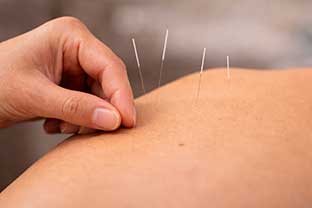

Here are seven common reasons people seek acupuncture treatment.
1. Chronic Pain
Chronic pain is one of the most well-studied uses of acupuncture. People commonly seek treatment for low back pain, neck pain, knee pain, arthritis, and other ongoing musculoskeletal conditions.
Acupuncture may influence the nervous system and the way your body processes pain. For some people, adding acupuncture to their existing treatment plan can help decrease pain and make everyday activities more comfortable.
2. Headaches and Migraines
If headaches or migraines regularly interrupt your day, acupuncture may be worth exploring.
Research suggests acupuncture may help reduce the frequency of certain headaches, including tension headaches and migraines. Your acupuncturist will choose treatment points based on your symptoms and health history—and some of those points may be nowhere near your head!
3. Anxiety and Stress
Stress doesn’t just affect your mood. It can show up physically as tight muscles, headaches, digestive problems, difficulty sleeping, and a general feeling that your body can’t quite relax.
Many people find acupuncture sessions deeply relaxing. Research into acupuncture therapy for anxiety is ongoing, and acupuncture shouldn’t replace appropriate mental health treatment, but it may be a helpful complementary therapy for some people experiencing stress or anxiety.
4. Insomnia and Sleep Problems
Having trouble falling asleep? Waking up throughout the night? Or sleeping eight hours but still feeling exhausted?
Acupuncture is sometimes used as a complementary treatment for insomnia and other sleep concerns. Researchers are continuing to study its effectiveness, but some evidence suggests acupuncture may improve certain measures of sleep quality.
Good sleep can affect nearly every part of your health, so persistent sleep problems are also worth discussing with your healthcare provider.
5. Digestive Issues
Bloating, constipation, nausea, and acid reflux can make everyday life surprisingly difficult.
Acupuncture may influence the nervous system and the connection between the brain and digestive tract, sometimes called the gut-brain axis. Research suggests it may be helpful for certain digestive symptoms and conditions.
Acupuncture isn’t a replacement for a medical evaluation of persistent digestive symptoms, but it may be one more tool to consider alongside the treatment recommended by your healthcare provider.
6. Muscle Tension
You know that stubborn knot in your shoulder that never seems to completely go away? Acupuncture may be able to help.
Acupuncture is commonly used for tight, painful muscles in areas such as the neck, shoulders, and back. Depending on your symptoms, your acupuncturist may use points near the tight muscles as well as points elsewhere on your body.
This is also an area where acupuncture and massage therapy can work well together. Acupuncture and massage approach muscle tension differently, so some people choose to include both in their care plan.
7. Menstrual Symptoms
For some people, their period means more than a few uncomfortable days. Cramps, headaches, back pain, and other symptoms can interfere with work, sleep, exercise, and everyday activities.
Acupuncture is sometimes used as a complementary treatment for menstrual pain and other period-related symptoms. Research suggests acupuncture may help reduce menstrual pain for some people, although results vary and more research is still needed.
Your acupuncturist will consider your specific symptoms, menstrual cycle, health history, and other factors when creating your treatment plan.
Severe or unusually painful periods can sometimes be a sign of an underlying condition, so acupuncture shouldn’t take the place of appropriate medical evaluation. Instead, acupuncture therapy may be one part of a larger care plan to help you feel more comfortable throughout your cycle.
Is Acupuncture Right for You?
There’s no one-size-fits-all acupuncture treatment. Two people can come in with the same complaint and receive different treatments based on their symptoms, health history, and individual needs.
At About Touch in Eugene, Oregon, our licensed acupuncturists create personalized treatment plans for each patient. Whether you’re looking for help managing chronic pain, headaches, muscle tension, digestive symptoms, or another health concern, we’re happy to talk with you about whether acupuncture might be a good addition to your care.
And if you’re not sure whether acupuncture or massage therapy would be a better place to start, just ask. Since we offer both, we can help you explore which option makes the most sense for you.
Does Insurance Cover Acupuncture?
Many insurance plans include acupuncture benefits, although coverage varies significantly from one plan to another.
If you’d like to try acupuncture but aren’t sure about your coverage, we’re happy to verify your benefits before you schedule.
Quick Links for More Information
Concussion
Deep Tissue
Oncology